Climate
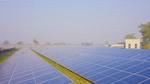
Unilever Pakistan now runs on 97% renewable electricity, cutting operational emissions by 95% since 2015 from our factories and powers we buy, primarily through our transition to renewable energy and energy efficiency programs.
Unilever PakistanChange location


100% Sustainable Sourcing
192.5 Million litres/year to be conservedThrough Our Water Stewardship Project
Pakistan is one of the most water-stressed countries in the world, and one of the countries most vulnerable to climate change. For a business that has been part of Pakistan since 1948, reaching 90% of Pakistani homes every day through more than 40 brands, this is not a future problem. This is a challenge we are facing today in the very rivers, canals, and groundwater resources that our factories, farmers, and consumers rely on every day.
At Unilever, we believe businesses have every reason to act on challenges like these. That belief has shaped our sustainability agenda for over two decades, and today it shapes the very practical work we are doing on water, right across Pakistan.
Water sits at the heart of our "Nature" priority one of the four big areas (alongside Climate, Plastics and Livelihoods). We didn't pick these areas at random. They represent the biggest risks to our business, they are areas where we can make a real difference at scale, and they matter to the people who buy our products every day.
For Unilever globally, nature's decline is a direct threat to the business. Many of the crops and ingredients we rely on depend on healthy ecosystems and reliable water. And of course, our consumers need clean water, simply, to use many of our everyday products from shampoo to soap to laundry detergent.
Pakistan is ranked as the 5th most vulnerable country to climate change globally. So being a responsible steward of water here isn't optional. It's essential.
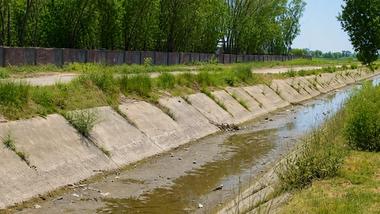
Globally, Unilever has committed to implementing water stewardship programmes in 100 locations across water-stressed regions by 2030. But this commitment goes beyond reducing water use within our factory walls. While we continue to drive efficiency through our Manufacturing Excellence Network and collaboration with industry partners and suppliers, true water stewardship requires us to look beyond the factory gate and help protect the shared water resources that communities, agriculture, and businesses depend on.
That means:
In Pakistan, our global commitment comes to life through the Water Stewardship Project at our Rahim Yar Khan (RYK) and Lahore factories.
Our goal is clear: conserve 192.5 million litres of water annually through initiatives that extend beyond our factory gates:
Together, these initiatives are helping protect shared water resources and build resilience in the communities where we operate.
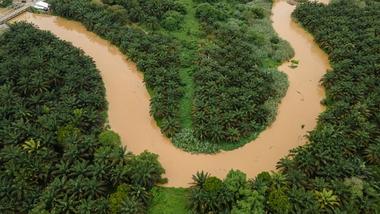
Water scarcity is already a reality in Pakistan, impacting communities, agriculture, and industry alike. Through targeted interventions such as watercourse lining and groundwater recharge, we are helping strengthen local water security in Pakistan.

We can do more to protect water supply by working with NGOs and other businesses.
Our regional implementation partners – including DKM in Turkey, TNC in Brazil and WWF in South Africa, Algeria and Pakistan – bring local knowledge and expertise to our programmes.
We also expect our suppliers to comply with the mandatory water-related requirements of our Responsible Partner Policy (PDF 4.45 MB).
Responsible Partner Policy (PDF 4.45 MB). By embedding sustainability into our sourcing practices and working closely with responsible partners, we help ensure that the raw materials used in our products are produced with respect for both people and natural resources.
Unilever Pakistan now runs on 97% renewable electricity, cutting operational emissions by 95% since 2015 from our factories and powers we buy, primarily through our transition to renewable energy and energy efficiency programs.
A wrapper can only be recycled if someone actually collects, and for packaging to be reusable and recyclable, effective collection and processing systems must exist first. We're investing in that collection system so plastic stays in use, not in the ocean or a landfill.
What started as support during COVID has grown into a bigger commitment, helping improve the lives of over 21,000 people connected to Unilever Pakistan, from our employees to the wider people in our value chain.