Climate
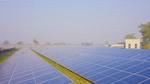
Unilever Pakistan now runs on 97% renewable electricity, cutting operational emissions by 95% since 2015 from our factories and powers we buy, primarily through our transition to renewable energy and energy efficiency programs.
Unilever PakistanChange location


100% Collect and process more plastic than we sell
100% of our rigid packaging portfolio is recyclable
25% post-consumer recycled (PCR) plastic in 2 of our shampoo bottles
Pakistan generates 3.3 million tons of plastic waste every year, much of which is never recovered. This waste clogs drains, litters streets, and pollutes rivers and oceans, exacerbating the country's urban flooding and waste management challenges.
For decades, plastic has followed a linear “take, make, waste” model that was never sustainable. At Unilever Pakistan, we believe this story can, and must, be rewritten.
We treat plastic as a resource, not waste. Here is what that looks like in action.
Transforming packaging systems requires innovation, infrastructure and collaboration across the value chain.
So, we’re taking action on plastics in three key areas:
Reduction: Reducing our virgin plastic footprint
Circulation: Designing for reuse, refill and recycling, and developing the infrastructure necessary for these systems to work
Collaboration: Working with partners across the packaging value chain and advocating for well-designed, harmonised regulations on plastic
In 2021, Unilever Pakistan partnered with ISP Environmental Solutions to strengthen plastic waste management in Pakistan. What began in one city has since expanded to four, increasing its reach from just 600 households to more than 60,000.
This initiative supports our broader ambition to collect and process 100% of the plastic packaging we sell. Along the way, it has trained and empowered more than 100 women in the waste management sector and helped integrate informal waste collectors, known as kabadis, into a more structured recycling ecosystem through targeted support and infrastructure.
Through community awareness campaigns, the programme has also encouraged plastic segregation at source, improving collection and recycling rates. As a result of these efforts, since 2025, we have been collecting and processing more plastic than we sell.
Multi-layered plastic (MLP) plays an important role in protecting product quality and extending shelf life. However, because it is made from multiple materials bonded together, it is difficult to recycle through conventional waste management systems, often resulting in lower recovery rates.
To address this challenge, Unilever is reducing its reliance on virgin plastic by increasing the use of post-consumer recycled (PCR) plastic, developing lighter packaging, and exploring alternative materials, formats, and delivery models.
In Pakistan, we are working to unlock more circular solutions for hard-to-recycle plastics through innovation, partnerships, and improved recovery systems. By investing in scalable approaches to collection and processing, we are advancing our commitment to ensure that every piece of packaging we place on the market is managed responsibly.
Through our ‘reduce, circulate, collaborate’ strategy, we’re changing how our packaging is sourced, designed, used and disposed of.
Our portfolio includes two main types of packaging: rigids, such as bottles and jars, and flexibles, such as pouches, sachets and films.
100% of our portfolio uses rigid plastic packaging
For rigids, our focus is on using less plastic packaging and improving recyclability.
In 2022, Unilever Pakistan introduced bottles containing 25% locally sourced post-consumer recycled (PCR) plastic for Sunsilk Black Shine, later extending the innovation to Lifebuoy Herbal White. While maintaining 100% recyclability, this initiative reduced the use of virgin plastic and helped strengthen Pakistan's recycling capabilities, supporting the development of a more circular plastics economy.
Through our partnership with Concept Loop, we have diverted and recycled more than 900,000 kilograms of hard-to-recover plastic waste; the equivalent of over 563 million plastic wrappers. Instead of ending up in landfills or the environment, this material is given a second life as durable construction products, including blocks and pavers used in roads, pavements, and housing.
Packaging plays a vital role in elevating the consumer experience and the performance of our products.
But plastic packaging is ending up in the environment, and plastic waste is projected to rise sharply. Our packaging is part of this problem. We’re determined to change this.
Unilever Pakistan has partnered with the 2nd Life Programme to accelerate innovative solutions for post-consumer packaging waste. Through the Acceleration Challenge, we support local startups and ideas in addressing key packaging challenges, from hard-to-recycle sachets to scalable refill and reuse models.
Designed for Pakistan's unique needs, these innovations advance our ambition to make all packaging reusable, recyclable, or compostable.
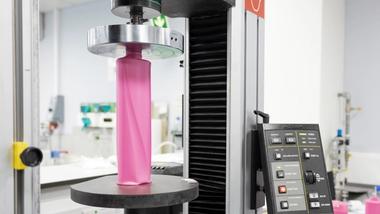
We are working to advance a more circular approach to plastic waste management in Pakistan, with Rahim Yar Khan serving as a pilot city for innovative waste recovery and recycling solutions. By bringing together policymakers, businesses, and development partners, we are testing scalable models that encourage sustainable practices and drive systemic change.
In partnership with the United Nations Development Programme (UNDP), we aim to help transform Rahim Yar Khan into a Plastic Waste Free City, repurposing an estimated 2,000 tonnes of plastic waste into valuable products, including recycled park furniture, while creating cleaner and more sustainable communities.
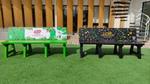
In 2022, we recovered and recycled 5,000 tonnes of plastic waste, equivalent to 50% of our total plastic footprint, through a network of collection and recycling partnerships. Together with Green Earth Recycling, we continue to advance our ambition of collecting more plastic than we place on the market.
We have also transformed 36,000 kilograms of recovered plastic into 20 sustainable play areas and community benches across Pakistan, demonstrating how waste can be repurposed into valuable community assets that create lasting social and environmental impact.
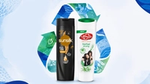
Pakistan's leading shampoo brands are now playing a role in advancing plastic circularity. Unilever Pakistan has introduced post-consumer recycled (PCR) plastic into two of its highest-selling shampoo variants, Sunsilk Black Shine and Lifebuoy Herbal White, with recycled material accounting for 25% of each bottle. By incorporating locally sourced recycled plastic, we are reducing reliance on virgin materials while keeping the bottles 100% recyclable.
To help drive broader behavior change, we launched the #FaceThePlastic campaign in 2021, partnering with leading content creators to encourage simple, everyday actions such as using reusable bags, bottles, and straws.
Today, 100% of our rigid packaging is recyclable, reflecting our continued commitment to reducing plastic waste and building a more circular packaging system in Pakistan.

Plastic Warrior Program invites volunteers from all age groups, industries, and academia to join the fight against plastic waste. To promote this initiative, Unilever Pakistan has partnered with NED University of Engineering and Technology to provide practical research projects at the student level. The Plastic Warrior Program has already produced exciting results: the first four student groups are aiding Unilever Pakistan’s in researching recycled plastic for their shampoo bottles. Additionally, the Plastic Warrior Program is working to make NED University a plastic waste-free campus, further reducing Pakistan’s plastic footprint.
Plastic pollution cannot be solved by any one organization alone, but meaningful progress requires collective action. At Unilever Pakistan, we are playing our part by driving change across the value chain, from redesigning packaging and increasing recyclability to supporting innovative waste management solutions and community-led initiatives.
As one of Pakistan's most trusted consumer goods companies, we recognize that our responsibility extends far beyond the products we sell. Every bottle made with recycled plastic, every tonne of waste recovered, and every community empowered to adopt more sustainable habits brings us closer to a cleaner, more circular, and more resilient Pakistan.
Unilever Pakistan now runs on 97% renewable electricity, cutting operational emissions by 95% since 2015 from our factories and powers we buy, primarily through our transition to renewable energy and energy efficiency programs.
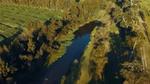
Pakistan is one of the most water-stressed countries in the world. Unilever Pakistan's Water Stewardship Program is working to replenish 192.5 million litres of water every year, through watercourse lining, recharge wells, and community awareness on responsible water use.
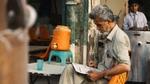
What started as support during COVID has grown into a bigger commitment, helping improve the lives of over 21,000 people connected to Unilever Pakistan, from our employees to the wider people in our value chain.